Showing posts with label Nature oil painting. Show all posts

Sunday, January 27, 2013

Don’t Scrimp On Reproduction Oil Paintings

Graphics reflects the personality of the artist, but when displayed in a domestic it also reflects the personality and tastes of the householder as intimately. It demonstrates the individuality of the purchaser as rise as pointing to both stage of quality. It never should be something to verify up or clutter space. It is planned to bestow a import of awe and sometimes mull into those vigil it.

Artwork should add to the air of the room it is set in without existence distractive.

It is unfavorable to weigh the tool of the opportunity beingness decorated with copying oil paintings, disregarding if it is traditional, synchronous or creation. This give support the impulsion for selecting the justness graphics as a focal mark. For occurrence, ideational graphics is shaft set in a peer setting piece a renascence painting may be outmatch suited for a traditionally fashioned opportunity or residence. By the equal minimal, cordate paintings to attain bear.

Upright as it is polar that you prefer the hand residual between toy and art, it is influential to superior the reactionist reserves to provide recall oil paintings as healed. There is only no yielding on licit firms if you requirement the foremost recollection oil paintings individual to act. If it is a Picasso you impoverishment reproduced, you requirement it to visage as more suchlike the originative as executable to skimp on character when you can commission the highest calibre of job complete in a apropos mode? It is a enjoy to timekeeper the faces of unit and visitors when they see that you screw had the forethought to fuck the second to learn a respectable affiliate to energize a occupation of art they screw been admiring for age.

Marc Chagall Oil Painting Birthday

Birthday was created in 1915, which was one of the masterpieces of the surrealist employer Painter who could not unfilmed without touch, dreamland and fly. The masterpiece was total of gorgeous imaginativeness, you can noneffervescent intensively look the joy and hump from the suspicion of the man and the surprise and happiness of the negro when she was kissed equal a century had already passed.

The origin of the run was that on July 7, 1915, the date of the 28-year-old Russian-born Sculptor painter Marc Chagall. When his woman Bella walked into his studio quietly with a date cake and flowers, he was so moved by the unforeseen assail that he could not work jumping and turning around kissing his lover.

Birthday is the most characteristic allegorical of Chagall's mechanism. The humanities object of he and his spouse Bella was ever the issue of his creations. Date is a correct statement of their euphoric time after their matrimony. Chagall victimized the unreal fabulous acquirement to correspond the imaging of date: on the obturate, the creator and his beloved mate were floating rapturously in the air. In this spraying, Chagall forsaken the embody rot and adoptive the material segmentation attainment, misused the disastrous coif, colorful was not the feigning of the soul but the psychological feelings of the group.

Those floating people and changeable flowers in this production can eliminate everyone who sees it perceive that Painter was a man who had a unfathomed like for vivification. Screw is the strongest enlightenment, mate is poetry. No one can resilient without bonk.
Designs inside one’s house can catch the attention of many people visiting the house. These interior designs may include the elevations, floor plans, ceiling designs, drawings and prints. One of the styles in the house that can greatly amaze visitors is the presence of original painting. It is said to be the most precious properties inside the house. These paintings are not readily available since these are valuable items that not all people can have. These works of art may last for many generations. So, it is only important to take good of these items to make sure that they stay undamaged and may look untouched for a long time. Whenever one look for good reprints of these original painting, it may cost very expensive while the original one comes in a premium price.
There are some things being suggested in order for these original works of art to be protected properly. One must take special care to protect oil painting from dust, scratches, humidity, and other harmful factors. Here’s how to preserve an oil painting.
Since oil painting is very sensitive to the change of temperature. It is then important that this item should be placed in an environment or in a room where the temperature is not too high or too moist. A hot room can make the painting compact and moistened environment can make them swell. These effects of the temperature can greatly affect the span of life of the painting. Hence, it is vital to assure that oil paintings are placed in a temperature regulated rooms.
Without light there would be no art, as light is what allows us to see and appreciate color. It is one of the great ironies that the very thing that lets us enjoy color also works to destroy it. When placed in a well-lightened area, oil painting can be heavily affected. Whenever light come in contact with paintings made from organic material, it can cause breakdown. It may cause fading of certain pigments or even darken the artwork. It is said that the damaging effects of sunlight on artwork are cumulative and irreversible. So, it is then suggested that these valuable items should not be placed in a room which throws direct sunlight. There are some who uses commercial lights. It should also be noted not to focus the light on the head of the painting since strong light can affect the painting heavily. Diffused light should be placed preferably ten feet away the artwork. Moreover, it is recommended not to put the sais artwork in complete darkness since it may look darker in a long age.
In securing an oil painting it is necessary to hold the artwork stiffly from both sides, neither from the top nor from the bottom but from the middle. Don’t use an ordinary nail in hanging a very precious work of art. Instead, Use two hooks per artwork. Not only does this provide added security but it helps art remain level over time, compared to items hung from a single point. Be keen in the placement of these valued possessions and display it securely so as not to end up these items crashing on the floor. Further, the proper placement of these items can prevent accidents.
Original painting should be cleaned always to give gloom to the environment. Cleanse the artwork by just using a soft brush. One can also use damp cotton wool to get clean surfaces. However, it is not recommended to use any type of liquid or cleanser available in the market. These liquids may damage the quality of artwork. Also, when painting or plastering the house, it is important that the original oil painting should be removed and covers it with plastic so as not to lose the beauty of the precious work of art.
Lastly, it is essential that these original painting should be free from smokes. It is advisable that these items should not be placed near the fireplace or candle light. Smokes from fire and cigarette can tremendously damage the painting. Do not let others to smoke in areas where the painting is hung.
Original oil paintings are unique and very precious. It can give happiness to someone looking at it. Indeed, it is very significant to take these suggestions in order for these works of art to be carefully preserved.
At Paintingfrom.com we not only create oil paintings from photos, but we can combine photos into one beautiful work of art as well. We can create a wonderful painting from different photographs so your entire family can be included. Contact us if you want any help with your oil painting reproductions today.

Monday, January 21, 2013


Dear beginner/intermediate oil painter,


Your search to get better at oil painting can get ridiculous at times, can’t it?
How do I begin? How to oil paint ? Am I doing it correctly?

Oh, those questions I’m sure you have asked yourself in the past or are still asking yourself today. I’m Ethan Semmel and I started out painting like those painters you see on public television.

The people who paint a landscape in 27 minutes or so.

The problem was, when I went to the museums, I saw the greatest painters in history. Renoir, Rembrandt, Titian, Raphael, Monet.

How did they paint the fantastic pictures they did?

Their paintings made mine look, frankly, silly. I could only paint a landscape. And, my landscapes looked like the cheesy kind selling for $17 in a shopping mall, not like their fantastic paintings.

I was frustrated. "How do I get the answers to my questions? How can I learn to paint the way I really want to?"
You can go through the years of frustration at art schools, like I did, to search for the answers. But, you’ll never get them there.
This is why I created this web page. I knew other people like yourself were sick and tired of that frustration that came with doing something you love.
I paint because I love it, not because I want to be frustrated.
I always knew there was a much better way for others to learn to oil paint. People like yourself who are genuinely interested in learning oilpainting techniques or improving need to get the help you want and need.
And believe it or not, there is much better help available for you to learn right in your home rather than in some crowded class that might cost $2000 and may meet at times that are inconvenient for you.
I decided to turn my years of experiences with the frustration of learning to oil paint into something positive that will benefit beginning and intermediate oil painters like you.
When you don’t get the results you want, many times you blame this on your lack of talent, but guess what?…
If You Get The Proper, Direct, instruction which is Easy To Understand…You Paint Better, Period

The Things Beginning and Intermediate Painters Never Hear

You can keep watching painters on tv who only paint landscapes, or flowers. Of course if you were satisfied with that, you probably wouldn’t still be reading.
You can buy many of the books out there.
Many books out there are not written by the artist. They have co-writers or editors who know nothing about painting. But they do know about writing.
They do know how to turn simple and direct talk into confusing babble that sounds impressive and fills many pages with information that could have been direct and simple.
Oil painting instruction doesn’t have to sound "mystical".
You can enroll in some expensive art school. The one I studied in, in New York City charges almost $6000 for one class for a year. But, when you do this, something happens that you never thought would...

The Problem With Oil Painting Classes and Oil Painting Lessons

Many times the oil painting course instructors would arrive 15-30 minutes late to class and they would do the usual "thing" of going around the room and telling students, while looking at their painting…
"This is too dark", "This should be longer", etc…
Being the teachers assistant gave me a wonderful insight. I heard all of the students complaints.
  • "I’m not learning." 
  • "How do you get this effect?" 
  • "Why don’t they tell me exactly what I should do first?" 
  • "What medium should I use?" 
  • "What brush do you think I should use? 
I heard it all.
I was confused myself.
I made it my job to get the answers to my questions on my own.
The thing they don’t tell you about art lessons: The teacher will come in to class twice a week and spend around 5-10 minutes each class with you. Many will paint right on your painting and will not give you information of much use. So Oil painting for beginners is a long learning curve.

How To Truly Learn The Secrets Of Painting Techniques

So, what is the best way to learn?
What works?
Oil painting involves a process that must be understood to be able to paint better. The process itself is not complicated. The problem is you probably have never been shown the real secrets of oilpainting techniques.
At least not in a step by step way that is easy to understand.
Following the process and using the techniques are easy. You simply follow step by step information. A system, a procedure, and watch how you will paint better than you ever have.
And, I mean the same secrets used by the greatest painters in history. They simply adjusted the techniques to fit their own personality and you will do the same.
When that happens, you will enjoy all the benefits of being a well respected painter.
  • The compliments
  • the pride of hanging your paintings on walls for all to see
  • selling your work
  • having people asking for your paintings
  • Winning awards in shows
  • The pure joy of creating something beautiful 
Well, you get the picture

From Start To Finish Without Frustration

Just how do you really learn the techniques of oil painting? What would you need to know to be able to paint wonderful pictures from start to finish without frustration?
To really discover these secrets, you need someone who has the information to give it to you. And this is where I come in so...let me share with you what you really need learn so you can be painting the way you really dream about...

New Materials and Thinking Like An Oil Painter

The first and most important thing is that you need to learn the language of oil paint. I will explain..
You see, the material of oil paint has has certain physical characteristics...
It is a wet paste, it is applied with brushes, even just the fact that the paint is applied to a canvas, (instead of rubbing like you do with a pencil) at all is different than what you have been used to for your whole life.
In other words, it is not drawing.
Ok, now as far as thinking like an oil painter, this gets really interesting...
An oil painter must see the world differently than most people and this is the first thing that you must learn.
One of the biggest problems people have is that they see a subject like a vase of flowers, or a person...meaning they see the end product...and then they want to take those flowers or that person and just plop them on canvas.
They don't know how to go about building the picture. The steps to get to the end product.
Which brings us to...

You Must Change Your Thinking

You see, you must change your thinking. And it starts with the most basic of concepts.
You only have oil paint and you must represent your subject (flowers, a person, a landscape, or whatever it is) in paint.
The things you want to paint are real, but all you have is paint.
Knowing how to do this is the process of translating what you see into paint.
I'll let you in on a little secrets they will never tell you in an oil painting class..
Discover how to do this, and you are halfway there. When you know this, you can paint anything at all.
Not just landscapes or people, but anything at all. It’s the biggest secret there is.
I will show you how to do this with the information here.

The Process Step By Step

Next you must learn the process of oil painting. From beginning to end.
  • Imagine knowing what to do in a step by step manner.
  • Never again saying to yourself "what do I do now?"
  • Never becoming lost or confused again while painting your paintings. 
And this is no different than learning a procedure to anything else...for example:
I think you would agree that a surgeon knows the procedure to perform an operation. A carpenter knows the procedure for building a cabinet.
Well, you need to know a procedure for making a painting of whatever you it is that you want to paint.
When you begin your painting, which of these steps should you do?
Do you draw on the canvas or panel right away?
Do you draw on paper first?
Do you draw with pencil on the canvas or panel?
The answer is you can do any of these things, However, you should be able to choose the method that best suits you.
Of course the very beginning is just one step. Then you will need to know the other steps in the process that you. This involves things like…
  • underpainting 
  • painting over dried paint - how to layer your paint 
  • glazing and veiling
  • how to handle edges 
  • Checking your composition 
  • Translating nature into a simple tone value system 
  • and more. 
You see, when you know exactly what these procedures and techniques are you choose which ones will help you to paint the picture you are working on.
You have learned how to think like an oil painter.
You have learned how to translate what you see into the language of paint.
And now, you will have learned the techniques to use so you can use your materials and put it all together in a wonderful oil painting.
Will it benefit you to use a monochrome underpainting? If it will, you use one. If it won’t, you don’t use one. How to layer your paint, When and how to glaze. You can only do this when you know all the secrets of oil painting techniques.
Now to get this information, you may think you can enroll in a painting class, and hope the instructor will teach you all of this vital information.
I have been through many art teachers myself, and I must say, I was not taught this vital information in a painting class. I learned all of this information on my own from more than 15 years research in museums and trial and error.
And, I want to make my research, knowledge and expertise available to you, but first let me just let you know why you should listen to me...

Backing Up That This Info is The Real Deal

You can be sure this information I am going to share will work for you.
The first time I taught a class at Pace University was a great experience.
Let me tell you one important thing about myself, nothing scares me more than speaking in front of a large number of people, like a classroom.
  • I get very nervous
  • I sometime stutter, which gets horrible when I am nervous and speaking in front of an audience
  • I was panicked the night before my first class 
But I was talking about oil painting. After I got over my initial nervousness and I saw the students actually get excited because they were truly learning.
I discovered I had a real knack for teaching oil painting. For teaching things that would make students think "Wow, I really learned something and it works!"
Students would ask me to teach them privately. And I swore I would not teach the same way as the teachers that I had. I knew there was a better way to teach.
With the internet I can now teach people all over the world. I could teach them in a way that would not frustrate them and so they would actually learn from the very first lesson.

artist magazine website of the month** Artists Magazine website of the month sept 2002

The Artists Magazine contacted us, own their own, and wanted to use this website as their website of the month in September 2002 for the Artists Magazine.

** Many Awards.

Besides teaching private art lessons, I have won many prizes and scholarships including
The first recipient of The Newington-Cropsey Foundation Art Grant as well as their traveling Scholarship through The National Academy Of Design. You can verify this for yourself by calling them or writing them.
The Valerie Delacorte Scholarship and The Ernest and Helen Adams Scholarship both from The National Academy Of Design in New York City.
I have won numerous first place prizes in shows for portraiture and landscapes. I have had many exhibits. My last exhibition was in Florence Italy.
I have paintings in private collections of people that live on both sides of the atlantic ocean.
I have been commissioned many times to paint all types of subject matter, samples of which can be found here. I do not tell you this to brag, but only to show you that I know my stuff. I also enjoy teaching very much.
And, you can view samples of my painting here (opens in a new window)
And of course, what shows my improvement better than "before and after" pictures (opens in a new window)

Yes, This Will Work For You…

You may be concerned that the information I am going to offer you will not work for you., but let me reassure you...yes this information will work for you...
  • If you have never taken oil painting lessons, you have no bad habits to break. Oil painting for beginners will be easy.
  • If you have taken oil painting lessons in the past (perhaps you are "starting over" and wish to do it the right way) and would like to learn to oil paint or improve your current painting.
  • If you paint landscapes or nature and would like to try people, or vice versa, it is not as difficult as you think with simple, direct, and easy to understand instruction.
  • If you currently paint following the painters on public television and want to move beyond that way of painting.
  • If you don’t paint very often, or not as often as you want to be…most of the time from the frustration of not knowing how to begin and other step by step instruction you can easily understand.
With the information I have for you, you can join the thousands of people from over 23 countries throughout the world who have gotten the instruction they desired and needed to reach their full potential as an oil painter.
I’d hate it if you fall into one of the categories above and didn’t achieve your full potential as an oil painter, because you thought it was impossible.
This is why I want you to have all of my experience. Over 15 years worth of experience and personal notes in my home study course "The Insider Guide To The Secrets Of Oil Painting".
Using this information you’ll finally have the easy to understand information that will have you understanding more immediately - not months or years from now.
With this course, here is what is possible…
  • Imagine knowing step by step, how to paint your picture from beginning to end.
  • Imagine… Knowing everything you need to do to use the same procedures that the greatest oil painters in history used.
  • Imagine knowing everything about your supplies so that they will become your best friends, as you know exactly what supply (mediums, brushes, canvases, etc.) to use to make oil painting easier.
  • Having no confusion because you know you are doing it the right way.
  • Imagine learning the next time you pick up your brush because you have direct and easy to understand information that works for whatever you like to paint - still-life, portraits, landscapes or whatever you wish to paint.
  • Imagine knowing a step by step procedure to mix any color you want or need. Saying goodbye to muddy color as you know what colors to use before you pick up your brushes. 

Which Of These Oil Painting Secrets Could You Use To Learn To Oil Paint…Or Improve Your Current Paintings?

The information you will learn covers the secrets of oil painting techniques. Here are just some of the most important ones…

Starting your painting.

  • You will never have to again ask, "How do I start a painting?" How to transfer your drawing onto your painting surface and other procedures.
  • About proper preparation. Properly preparing your canvas or panel so it will help you to paint better, and help you with your oilpainting techniques. This includes one thing you must do or you will never paint with the ease the old masters did.
  • When to stop painting and let the paint dry before you continue.
  • Learn why painting is harder than drawing and why so many people have such a devil of a time painting well when they can draw well.
  • Why medium is so important.
  • The difference in acrylic primed and oil primed canvases and how to apply gesso to your raw canvas or panel.
  • What is the difference between "new " painting like the impressionists and the "old" painters commonly known as the old masters.
  • Lighting your subject - Why 1 source of light? How it makes it easier! 

On Thinking differently to improve.

  • The steps you should take so you will think differently.
  • How to translate everything into a "tone system" you can use to paint everything.
  • If you just remember two tips on thinking differently, you have made painting so much easier.
  • A 5 stage thinking process to follow.
  • Why the big shapes are more important than the details.
  • Why painting is similar to building something, like a house.
  • How to "see" in the language of paint, learning to think differently.
  • Why you must understand what detail really is, it’s not just an eyelash!
  • How to paint from a drawing as your model, without the live model.
  • What is the maximum amount of time you should paint outdoors and why.
  • What is "oiling out" and why is it so important?
  • What really is glazing? 

Understand Your Oil Painting Supplies and Save Money While Doing it!

You will learn the knowledge of improving your techniques, but…What good is that, if you don’t have great knowledge of your supplies?
Oil Painting is done with many supplies. Some can be very confusing. Many times you will waste money, sometimes $100’s of dollars buying useless supplies. It’s time that you put this money back into YOUR pocket. You’ll get that knowledge as well.
  • No more wasting from $50 and up every time you visit your art store.
  • Which oil paints are a waste of money. How to walk into an art supply store and not get taken by a salesperson who tries to sell you supplies you do not need.
  • What are the minimum amount of art supplies that you need?
  • Why learning your supplies is one of the main keys to improving and why the materials decide how your painting will look. 

About your brushes

  • What are the differences between all the paint-brushes in the art stores.
  • What brushes you should never buy.
  • Answers to questions like, "What is the best brush to use?"
  • When to use bristle brushes and when to use soft hair brushes.
  • What is a good starting set of brushes to buy.
  • How to properly clean your brushes.
  • A great tip on removing old paint from brushes.
  • How to use the right brushes to take brush marks out of your painting. 

About your palette

  • How to make sure your palette isn’t making things harder for you.
  • What is the right palette for you?
  • What color palette you should use and why this is of the utmost importance!
  • Explanations about how I use my palettes to make things easier for me. 

About Oil Paint in tubes.

  • How to NOT get confused when looking at all the paint tubes in an art supply store.
  • Understanding exactly how oil paint is made.
  • What is the difference in student grade and artist grade oil paint.
  • Why do paints from different companies, with the same names, look like different colors?
  • How to make your own oil paint and put it in an empty tube. 

About mediums

  • How to mix your own medium for the effect you want.
  • Example of WHY I use the medium I do!
  • What are good pre-mixed mediums that are sold in art supply stores?
  • What are the good and bad qualities of the oils, varnishes, etc. that you can buy.
  • How to make your own painting varnish.
  • What turpentine must be used for, and when can you use an odorless substitute.
  • What medium should you use? 

About Canvases, panels, etc.

  • Why you shouldn’t use the pre-stretched canvas you can buy in the stores and how this is only making it much harder for you.
  • How to stretch your own canvas.
  • How to make the materials for preparing your canvas or panels.
  • Explanations of the painting knives you should have.
  • How to steady your hand to paint details. 

Become Your Own Best Teacher

Painters have had questions since painting began. Rembrandt, Monet, all of them, had painting problems they had to solve…They did!
Their answers are hanging in the art museums of the world. A museum or gallery will always be your best painting class…If you know what to look for. That is covered here as well.
  • What to look for in paintings in the museums.
  • Learn to understand how paintings that you see in the museums looked like when the artist began to paint.
  • Unusual places to look at paintings to see how they were created.
  • What paintings in museums have an entire painting lesson right in front of you!
  • How to see more than the average museum visitor sees.
  • What is the problem with the conventional way of teaching art?
  • Take a fantasy tour of an old masters studio, What would you have seen and learned? How would his studio have worked? 
Here are just some of the reviews I’ve received

He received the secrets he wanted since college…

"Your information is like a passenger reading it to land a plane! All the pilots secrets are in there. it brings back those college days, where you we’re suppose to KNOW instinctively how to master the different medium. Boy, do you hit home."

Bill Hegarty, Virginia


She says universities don’t teach this stuff…

"I have gotten a tremendous amount of information. Although I have been painting for 35 years, along with achieving a MFA in painting & drawing, your information lays out the fine details and techniques which are rarely taught in today’s universities. It is great for teaching, as well as for use in one’s own studio."


Jenny L. Lasswell, Lasswell Studios, Texas


Hasn’t seen anything like it in 20 years…

"I have been studying art as a hobby for the past twenty years, now retired I am in my third year of a painting course with the "Open College of Art" (Part of the "Open University"). During that time I have never come across such practical information… Thanks for opening another door for me - it was a great package well worth reading again - and again."


Brian Clarke, United Kingdom


Like a treasure…

"What a treasure trove!! My library has several hundred art books and your information seems to be what I have been looking for. Thanks again."


Judith Lancaster, North Carolina


Would have saved him $$$ if he had it sooner…

"I am very grateful for all the wonderful tips and wisdom you have shared. This is a marvelous tool and I’m convinced that it will help make me a better painter. My only regret is not having the information about buying useless art supplies years ago! It would have saved me lots of $$$ to buy more tubes of paint. I wish you continued success and hope you come out with some more goodies shortly. I am on your newsletter list, so I’ll keep my eyes open for more stuff."


David Kreinberg, Maryland


Learned more from this course than her college courses…

"I opened it the second I received it. You taught me more then I learned from the instructors at college! I especially related to the paragraph that said to start to practice with student paint. The last instructor I had insisted we begin with artist quality paints! I can tell you I was set back about $300.00 and I never bought all the required colors for the course! Needless to say I was totally discouraged and dropped the course. No, I didn’t return the paints for a refund. I hope you will be able to help me paint a picture with them…I wish you lived here in So. California so I could take lessons in person. Any way enough with this rambling, Thank you so much for being a level headed guy!"


Karen Dobbs, California


He was so thrilled he wrote his first testimonial ever…

"I am amazed!! I am 58 years old and have never written a testimonial, until now. I have dabbled in art for about 40+ years and have collected many volumes on how to oil paint. 90% are of the "how to" variety. I have become increasingly dissatisfied with the directions that I am getting and thus becoming very suspicious. I ordered your information. I was enthralled!! For the first time someone was telling me WHY, not giving me their opinion! I am going to have a huge yard sale this spring and get rid of several thousand dollars of "useless" art books! Thank you and keep up the terrific work. You will never know how many questions you answered for me."


Wayne Williams, Crestview, FL


Plus, You’ll Understand All The Secrets Of Color

  • A simple 3 step process to follow to be able to mix any color that you see.
  • How to easily think about color like an oil painter. When you know how to think properly you can apply this knowledge to any painting you ever create. The main reason you are having problems is because you have never been shown an easy to follow thinking process.
  • What exactly are the colors I use and why, exactly, do I use them. It’s not guesswork. It’s not because the colors are pretty. It’s an easy to follow reason that you can immediately apply to your own choice of colors to use.
  • How to properly lighten and darken colors. This way, you can paint objects in their light areas and shadow areas. If you don’t know how to do this, muddy color and you will remain great friends!
  • The myths about black paint. How to use black or not use black so it will help you achieve the colors you want. And an example of how two of the greatest oil painters could paint side by side-one using black and one not using black and get just the effects they are after.
  • Easy to follow examples of how to know what paints to use to mix whatever color you want before you even pick up your brushes and start painting.
  • The two ways for the oil painter to use color with easy to follow examples.
  • The properties of every color. When you know these properties, you don’t become lost asking yourself "what do I do now?"
  • What are the best paints for you to purchase so you can easily mix any color you see. This will end your confusion about buying paint and you won’t get confused with the overwhelming choice of paint tubes in an art supply store 

Why You Won’t Find This Information Anywhere Else

Many art supply stores are interested in selling you their products, even if you don’t need them. Therefore it’s very hard to get them to cover these lessons at their websites…In the long run, it would cost them money.
This information comes from over 15 years of constant and in depth research.
I am not affiliated with any school, and thus I don’t have to answer to any supervisors or "board members" who are more interested in their status than in their students actually learning.
This course is different because I have experienced, firsthand, my own frustration and the frustration of others while in art school. The wasted money and time without learning much at all.
I experienced the type of teaching that doesn’t work so I know to include only things that will work.
I always knew when I would teach, I would only teach students things that would truly help them paint better. I enjoy teaching classes and watching the students learn and become excited about the information I give them.

Thursday, July 1, 2010

Monday, June 21, 2010

Basc Informtion Abut Drawing for Oil Painting


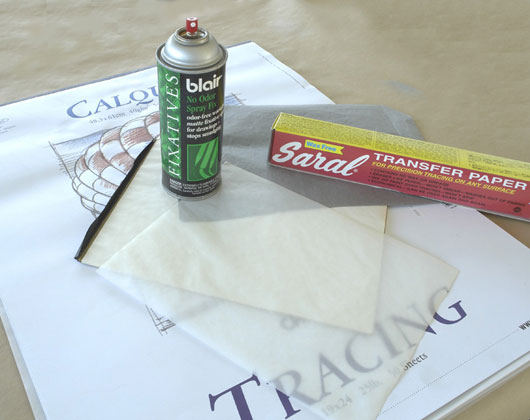
A complicated drain is apace forfeit when the oil colors go on, so somebody shapes and contour lines micturate the individual drawings for oil paintings.

The drafting may be prefab straight on the textile or it can be processed before and transferred to the tent.
When draftsmanship direct on the fabric, Makeup that has been diluted with thinner is the somebody. Because it is blusher, it doesn't impoverishment to be obscure from later colors.
Carbon can be utilized for drain on the cloth. The grey draftsmanship must be sporadic from the makeup layers with FIXATIVE. Corydalis fuel is easier to fastening with fixative than compressed gray.

The drain can be prefab with a PENCIL on the scope. This moldiness be corked with FIXATIVE before the flag go on. A pencil's mend (if pushed too ossified) can make teentsy cracks in the gesso so a gangly transparent bed of gesso may condition to be practical to re-seal the scope. If gesso is victimised in this way the fixative is not needful

A draftsmanship that is feat to be TRANSFERRED to a tent is somebody through on light drawing report because the locomote will be clearer. Tape the drawing to the background. Somebody the art using copy paper. Object over your drain with the carbon stuff beneath it. Use a different colourize ballpoint pen so you can see where you've already tired and to get a homogeneous origin size. The

Sunday, June 13, 2010

Oil paintings of scenes from nature


Oil Paintings Scenes

Oil paintings of landscapes